
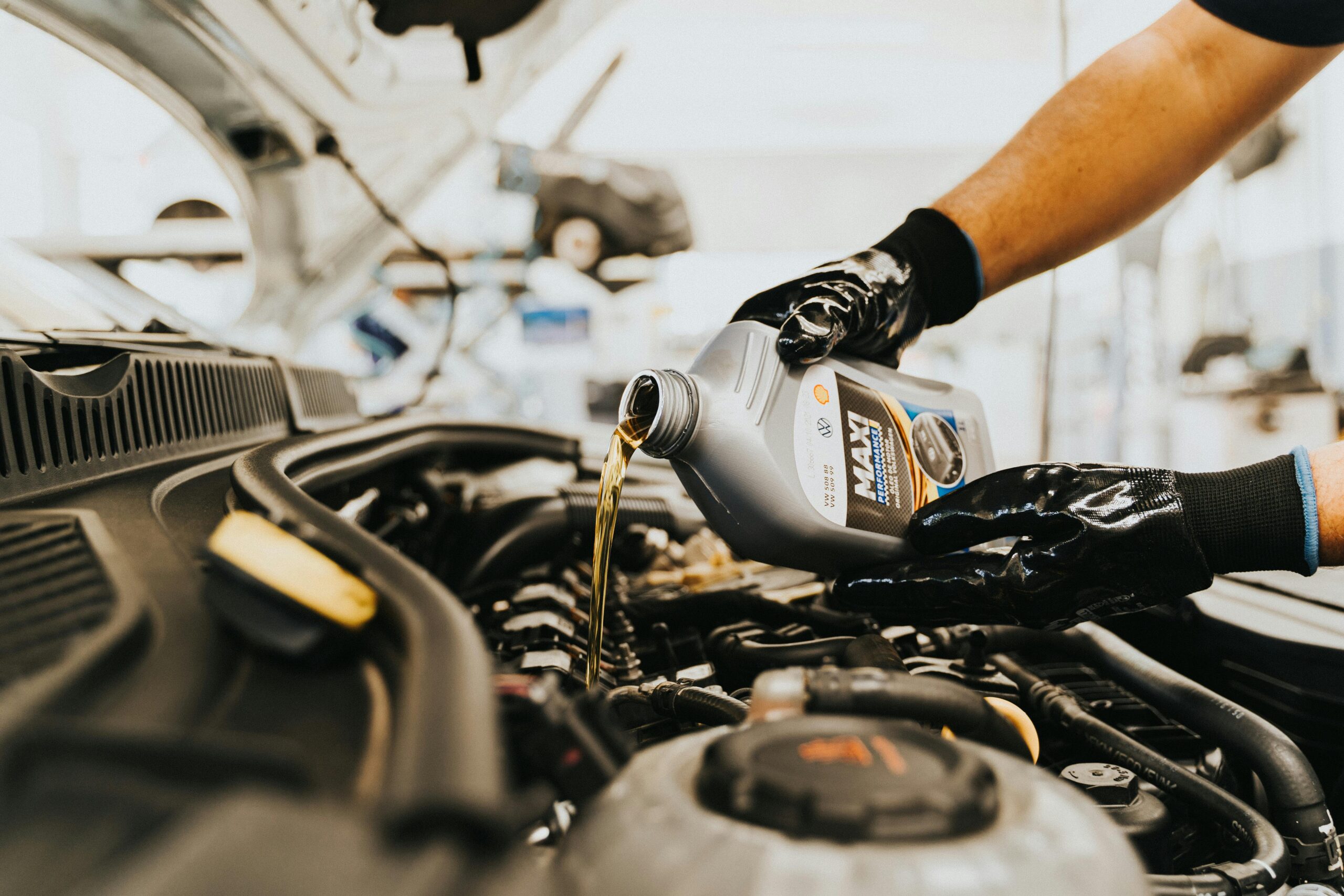
Turbocharged engines are the beating hearts of many modern vehicles, from high‑performance sports cars to everyday family SUVs. They squeeze more power out of the same displacement by forcing extra air into the combustion chamber. This extra air, however, also creates higher combustion temperatures and pressures that can stress every component”, “especially the engine oil. Choosing the right type of oil for a turbocharged engine is more than a simple fill‑up decision; it’s a key factor that affects reliability, performance, and fuel economy.
1. Understanding the Basics: Synthetic vs. Conventional Oil
Before we dive into the nitty‑gritty of turbocharging, let’s define the two primary categories of engine oil:
- Conventional (Mineral) Oil: Derived from crude oil, refined to remove impurities. It has a moderate viscosity range and contains base additives for basic protection.
- Synthetic (Base‑Synthetic) Oil: Engineered molecules that provide a more uniform and stable structure. Synthetics can withstand extreme temperatures, maintain viscosity better, and offer superior protection.
While conventional oil has served the industry for decades, synthetic formulations have surged in popularity”, “particularly among owners of turbocharged or high‑performance engines. The question remains: which oil performs best for turbocharged cars? The answer hinges on several interrelated factors.
Key Differences to Note
- Viscosity Stability: Synthetics hold their thickness better under heat and load.
- Oxidation Resistance: Synthetic oils are less prone to breakdown, extending service life.
- Temperature Extremes: Turbochargers generate more heat; synthetic oils stay fluid at higher temps.
- Base Oil Quality: Synthetics often use high‑purity synthetic base oils; conventional oils rely on refined mineral bases.
With these fundamentals, let’s explore how each type of oil behaves in the demanding environment of a turbocharged engine.
2. Heat Resistance & Turbocharger Performance
Turbochargers operate at temperatures well above the engine’s normal operating range. The high‑pressure air and the forced compression cause temperatures inside the turbo to climb rapidly. Oil that is exposed to these conditions must remain stable to prevent viscosity loss, sludge formation, and thermal degradation.
Heat Exposure in Turbocharged Engines
Typical turbochargers reach 400 °F to 600 °F (204 °C to 316 °C) under heavy load. The oil that circulates around the turbo and the engine’s bearing surfaces is often exposed to temperatures above 350 °F (177 °C). Conventional oil tends to thin and oxidize more quickly under these temperatures, whereas synthetic oil’s engineered molecules resist shear and maintain a more constant viscosity.
Impact on Turbocharger Longevity
Because synthetic oil maintains a protective film at high temperatures, it reduces wear on turbo bearings and seals. Reduced wear translates to fewer turbocharger failures and a longer service life. In turbocharged engines that are frequently pushed to their limits”, “such as track‑day or racing vehicles”, “synthetic oils are often the sole choice for ensuring the turbo can handle the load.
3. Viscosity & Fuel Efficiency
Viscosity”, “essentially the oil’s “thickness””, “directly influences how much friction the oil creates. A thicker oil film can protect the engine but also creates resistance, reducing fuel efficiency. Turbocharged engines demand a delicate balance.
Viscosity Ratings Explained
Most engine oils are rated by a two‑digit system, such as 5W‑30 or 10W‑40. The first number (the “W”) represents winter viscosity; the second indicates the oil’s behavior at 100 °C. Synthetic oils can often achieve the same protection at lower second numbers because of their inherent stability.
Synthetic Oil: Lower Friction, Better Economy
Studies show that synthetic oils can reduce internal friction by 5–10 % compared to conventional oils. In turbocharged cars, this translates to noticeably better fuel economy”, “especially when the engine is operating at high RPMs, where the turbo is most active. If you’re on a budget or looking to save on fuel, choosing a synthetic oil can be a smart move.
When Conventional Oil Might Be Acceptable
For mild‑use, older turbocharged engines that are rarely pushed to high temperatures, conventional oil can still provide adequate protection. However, it’s essential to change the oil more frequently (often every 3,000–5,000 miles) to prevent sludge buildup. Always check the manufacturer’s recommendation before deciding.
4. Contaminants & Oil Longevity
Every engine produces contaminants”, “particles, combustion by‑products, and oil additives that can degrade over time. The ability of the oil to resist these contaminants is critical for turbocharged engines.
Synthetic Oil’s Superior Cleaning Power
Synthetic oils contain additives that bind to sludge and contaminants more effectively, preventing buildup. They also resist oxidation, meaning the oil remains clean longer and requires fewer changes. Over the lifespan of a turbocharged car, this can mean fewer maintenance visits and lower long‑term costs.
Conventional Oil and Sludge Issues
Because conventional oils thin out faster under heat, they are more prone to sludge formation, especially in engines that are high‑power and turbo‑charged. Sludge can clog oil passages, reduce cooling efficiency, and ultimately cause engine damage. If you choose conventional oil, plan for more frequent oil changes (every 3,000–5,000 miles) and consider using a high‑quality oil filter.
Choosing the Right Oil Filter
Regardless of oil type, using a high‑performance oil filter is essential. It traps contaminants and extends oil life. Some filters are specifically designed for synthetic oils, offering finer filtration and better pressure drop characteristics.
5. Practical Maintenance Tips for Turbocharged Engines
To get the most out of either oil type, follow these best practices:
- Check the Owner’s Manual: Always start with the manufacturer’s recommended oil type and viscosity.
- Use the Right Oil Filter: Select a filter rated for your chosen oil.
- Follow a Strict Oil Change Schedule: Even with synthetic oil, change at least every 5,000–7,500 miles. With conventional oil, you may need to change every 3,000–5,000 miles.
- Monitor Engine Temperature: Excessive heat can signal a cooling or oiling issue.
- Inspect for Leaks: Turbochargers can develop seal leaks that compromise oil pressure.
- Consider a Synthetic Blend: If you’re not ready to commit fully to synthetic, a high‑quality synthetic blend can offer improved performance over conventional oil.
6. Choosing the Right Oil for Your Turbocharged Engine
Let’s put the decision into a simple framework: performance, cost, and usage.
Performance‑First Approach
If you’re a performance enthusiast or a racing driver, synthetic oil is almost always the better choice. It handles high temperatures, reduces friction, and prolongs turbo life. Many manufacturers even recommend synthetic oil for turbocharged engines in their performance models.
Budget‑First Approach
If you drive a turbocharged car primarily for daily commuting and cost is a major concern, conventional oil might suffice”, “provided you stick to a frequent change schedule and use a high‑quality filter. However, consider the long‑term cost of more frequent oil changes and potential turbo wear.
Hybrid Approach
Some drivers opt for a synthetic blend”, “often labeled as “high‑performance” or “synthetic blend” oils. These offer a middle ground: better heat resistance than conventional oils and lower cost than full synthetics. They can be a good compromise if you’re not sure which route to take.
Where to Find the Right Oil
When shopping for engine oil, look for reputable brands that provide clear specifications for turbocharged engines. The synthetic oil section on CarPartsPicker features a wide range of options, from budget-friendly to premium blends. Similarly, the conventional oil section offers a selection that’s great for those who prefer mineral bases.
7. Final Verdict
In a turbocharged engine, oil isn’t just a lubricant”, “it’s a lifeline that manages heat, protects moving parts, and determines long‑term durability. Synthetic oil, with its superior viscosity stability, heat resistance, and oxidation protection, generally offers the best performance for turbocharged cars. It reduces friction, improves fuel efficiency, and protects the turbocharger under extreme operating conditions.
Conventional oil can still serve turbocharged engines”, “especially in lower‑power or mild‑use scenarios”, “if you’re willing to maintain a stricter change schedule and accept a potentially higher wear rate. A high‑performance oil filter is essential for both oil types, ensuring contaminants are trapped before they can cause damage.
Ultimately, the choice hinges on how you use your vehicle and how much you value long‑term reliability versus short‑term cost. If you’re unsure, consult your vehicle’s owner’s manual and consider reaching out to a trusted mechanic. At CarPartsPicker, you can explore a full catalog of synthetic oils, conventional oils, oil filters, and turbocharger parts to keep your engine running at its best.