
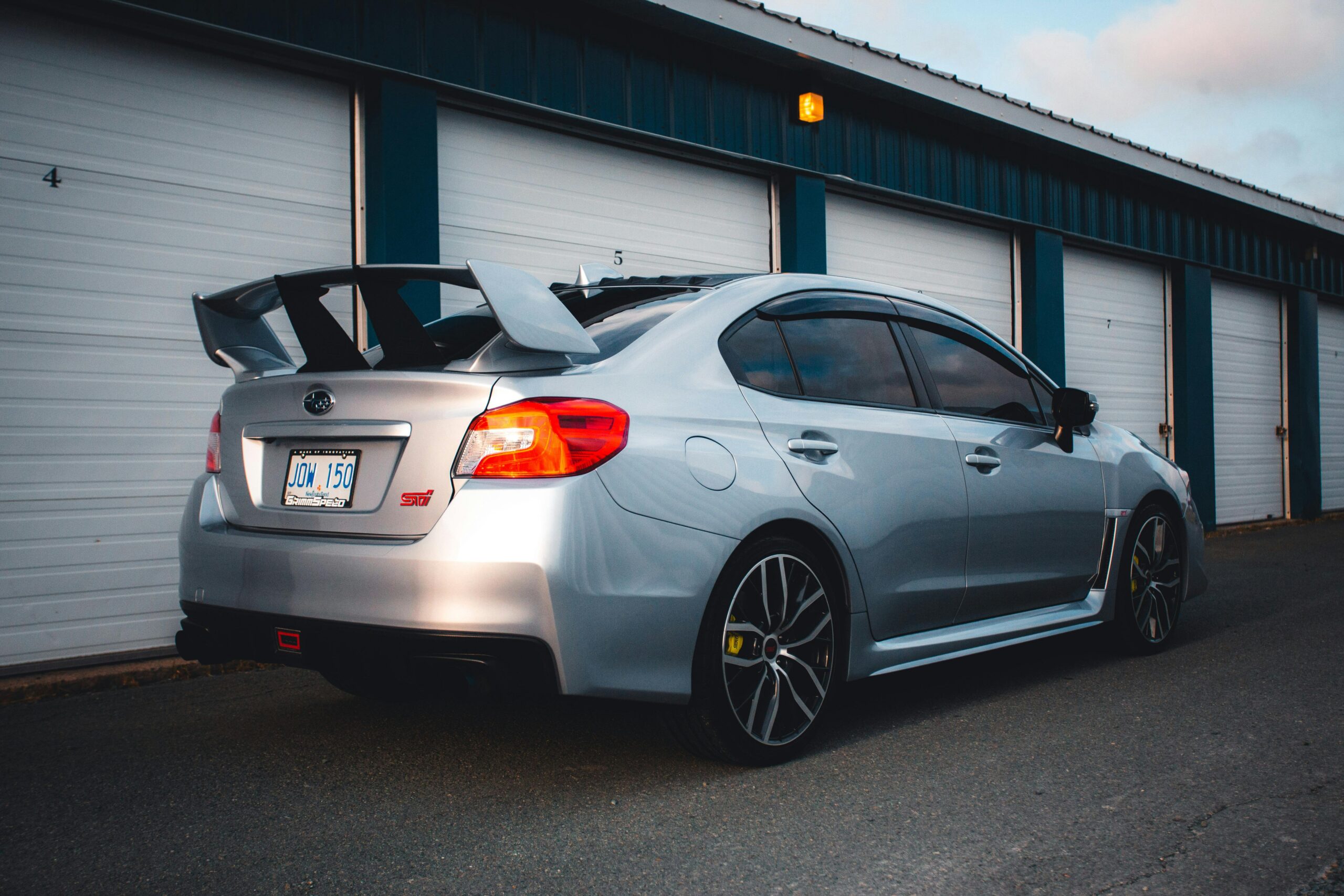
If you own a 2015–2021 Subaru WRX (the VA chassis), you know the struggle. You want that signature Subaru boxer growl (or at least, as much of it as the FA20 engine can produce), but you also use your car to get to work.
You buy the “extreme” exhaust that sounded great in a 15-second YouTube clip. Then, you hit the highway for your morning commute. BWOOOOOOOOOOOOOM.
That low-frequency vibration that rattles your dashboard and makes your ears bleed at 3,000 RPM? That’s drone. And it is the enemy of the daily driver.
Most WRX owners go through a painful cycle: they buy a cheap, loud exhaust, hate it after a month, sell it at a loss, and eventually buy the “mature” exhaust they should have bought in the first place.
In this guide, I’m going to save you that money and frustration. We are breaking down the best zero-drone exhaust systems for the FA20DIT WRX that let you hear the engine when you step on it, but let you listen to a podcast when you’re cruising.
Understanding “Drone”: Why Your WRX Sounds Like a Tuba
Before we get to the products, you need to understand why the 2015+ WRX is so prone to drone.
The Physics of the FA20
The 2015–2021 WRX uses the FA20DIT engine with Equal Length Headers. Unlike the STI (which has Unequal Length Headers and the famous “rumble”), the WRX has a smoother, buzzier tone. When you uncork this engine with a straight pipe or a small muffler, it naturally produces a resonant frequency right around 2,800 to 3,200 RPM.
Unfortunately, that is exactly where your engine sits when you are cruising at 70–80 MPH in 6th gear.
To kill drone, you don’t just need a muffler; you need a Resonator.
- Mufflers lower the overall volume (decibels).
- Resonators cancel out specific sound frequencies (drone) without killing the flow.
If you are looking for a daily driver exhaust, never buy a non-resonated system. It will drone.
1. The Gold Standard: Invidia Q300 Cat-Back
If you ask any Subaru forum, Facebook group, or mechanic specifically for a “no drone” exhaust, 90% of them will say one word: Q300.
The Design
The Invidia Q300 is engineered specifically for adults. It features a massive mid-pipe resonator and huge oval mufflers that sit horizontally behind the bumper. From the outside, the massive 110mm titanium or stainless tips look aggressive, but the plumbing is designed for stealth.
The Sound Profile
- Idle: Deep and bassy, but quiet. Your neighbors won’t wake up.
- City Driving: A polite, low growl. You can hear the turbo spool more clearly than stock.
- Highway: Silent. This is the closest you can get to stock comfort levels while having 3-inch piping flow.
Pros
- Zero Drone: You can have a conversation at a whisper at 80 MPH.
- High Flow: despite being quiet, it is a full 3-inch system that supports 400+ HP.
- Fitment: Invidia fitment is legendary. It bolts right up.
Cons
- “Too Quiet” for Some: If you are 18 years old and want attention, this isn’t for you. It really only wakes up at Wide Open Throttle (WOT).
- Price: It has crept up in price over the years, usually hovering around $1,100–$1,300.
Verdict: The Q300 is the safe bet. You will never regret buying this exhaust for a commuter car.
2. The Engineer’s Choice: AWE Touring Edition
AWE Tuning takes a different approach. They don’t just stuff fiberglass into a muffler; they use physics.
The Technology: “180 Technology”
AWE’s “Touring” system uses a patented chamber design that reflects sound waves back into themselves. Ideally, the reflected sound wave collides with the oncoming drone frequency and cancels it out mathematically. Think of it like noise-canceling headphones for your exhaust.
The Sound Profile
- The Difference: The Q300 is quiet all the time. The AWE Touring is “Jekyll and Hyde.”
- Cruising: It is remarkably tame. The drone-canceling tech actually works.
- WOT: It is significantly louder than the Q300. When you step on it, it has a raw, raspy race-car tone that screams.
Pros
- Best Tone: It makes the FA20 engine sound less like a vacuum cleaner and more like a rally car.
- Conversion Options: AWE sells “Track Edition” conversion pipes. If you decide you want it loud later, you can just swap the rear section.
- Black Tips: Their diamond-black tips are some of the best-looking in the industry.
Cons
- Alignment: The slip-joint design is fully adjustable, which is great for custom setups but a nightmare to install perfectly straight in your driveway. You will spend an hour adjusting clamps to get the tips even.
Verdict: Get the AWE Touring if you want a quiet commute but a rowdy weekend backroad blast.
3. The Classic Muscle: Borla S-Type
Borla is famous for making Mustangs and Corvettes sound good, but their WRX system is an unsung hero.
The Design
The Borla S-Type is unique because it is one of the few systems that manages to make the 2.0L FA20 engine sound… deep. The FA20 is naturally “tinny” or high-pitched. Borla’s acoustical packing filters out those high-pitched frequencies, leaving only the lower bass notes.
The Sound Profile
- The “Rumble”: While you can’t get true UEL rumble on a WRX without changing headers, the Borla S-Type mimics it better than anyone else. It has a burble on deceleration that sounds fantastic.
- Drone Control: Excellent. Borla tests their exhausts to ensure zero cabin resonance at cruising speeds.
Pros
- Unique Sound: It doesn’t sound like every other Subaru with an Invidia N1.
- Weight: It is generally lighter than the stock system.
- Million Mile Warranty: Borla stands behind their stainless steel builds.
Cons
- Cost: Borla is often one of the most expensive options on this list.
Verdict: The best choice if you hate the “raspy” sound of the 4-cylinder engine and want a deeper, American-muscle tone.
4. The “OEM+” Solution: Cobb SS 3″ Cat-Back
Cobb is the Apple of the Subaru world. Their parts are expensive, beautifully packaged, and they just work.
The Design
The Cobb SS (Stainless Steel) system uses strictly 304-grade stainless steel and TIG welds that look like art. It uses a very traditional design: a resonator and two large mufflers.
The Sound Profile
- Refined: This is the most “gentlemanly” exhaust. It sounds like what the WRX STI should have sounded like from the factory.
- Zero Rasp: Cobb has mastered the art of filtering out the terrible raspiness that happens when the VTEC-like powerband kicks in on these cars.
Pros
- Resale Value: Cobb parts hold their value incredibly well. If you sell your car, you can sell this exhaust for 70% of what you paid.
- Fitment: Perfect. The flanges are thick, and the hangers align perfectly with the stock rubber bushings.
Cons
- Price: You pay the “Cobb Tax.”
- Taper: Note that the Cobb exhaust tapers down to 2.5 inches at the front flange to mate with the stock downpipe. If you run a full 3-inch adapter, you need to make sure you use the right gasket to avoid leaks.
Verdict: The best choice for a professional who drives clients in their car but still modifies their Subaru.
What About “Axle-Backs”? (The Budget Trap)
You might be looking at Nameless Performance or Remark Axle-Back deletes because they cost $300 instead of $1,200.
Do not buy a muffler delete for a daily driver.
An “Axle-Back” replaces just the mufflers.
- Muffler Deletes: These remove the mufflers entirely. They will drone loudly on the highway.
- Muffler-Equipped Axle-Backs: (Like the Nameless 5-inch muffler). These are better, but because they still use the small stock mid-pipe (which has a tiny resonator), they often still have a “boomy” cabin noise.
If your priority is zero drone, you really need a full Cat-Back system because the aftermarket mid-pipe resonator is doing 50% of the work.
Installation Tips for Your New Exhaust
Before you click “Buy,” make sure you have these small parts. Nothing is worse than tearing your car apart on a Saturday and realizing you are missing a gasket.
- The GrimmSpeed Adapter: If you are bolting a 3-inch aftermarket cat-back to your stock downpipe (J-Pipe), you need a specialized adapter (like the GrimmSpeed Stock-to-3-inch adapter).
- Why: The stock pipe uses a “donut” gasket. The new pipe uses a flat flange. If you try to bolt them together without the adapter, it will leak, sound terrible, and possibly throw a Check Engine Light.
- Polyurethane Hangers: The stock rubber hangers are soft and wobble. When you hang a heavy stainless steel exhaust, it might swing around and hit your bumper. Invest $30 in a set of stiff polyurethane hangers (Kartboy or Cobb) to keep the exhaust tips perfectly centered.
- Wiping Down the Tips: Before you start the car for the first time, wipe the exhaust tips down with rubbing alcohol. If you start the car with your greasy fingerprints on the metal, the heat will bake your fingerprints into the finish permanently.
Final Thoughts
You drive your WRX every day. You sit in traffic, you commute to work, and you take road trips. Don’t ruin that experience to save $200 or to be the loudest car at the meet.
- If you want silence and comfort, get the Invidia Q300.
- If you want party mode on demand, get the AWE Touring.
- If you want deep tone, get the Borla.
Your ears (and your passengers) will thank you.
Disclaimer: All modifications are done at your own risk. Check your local noise ordinances and emissions laws before modifying your exhaust system.