
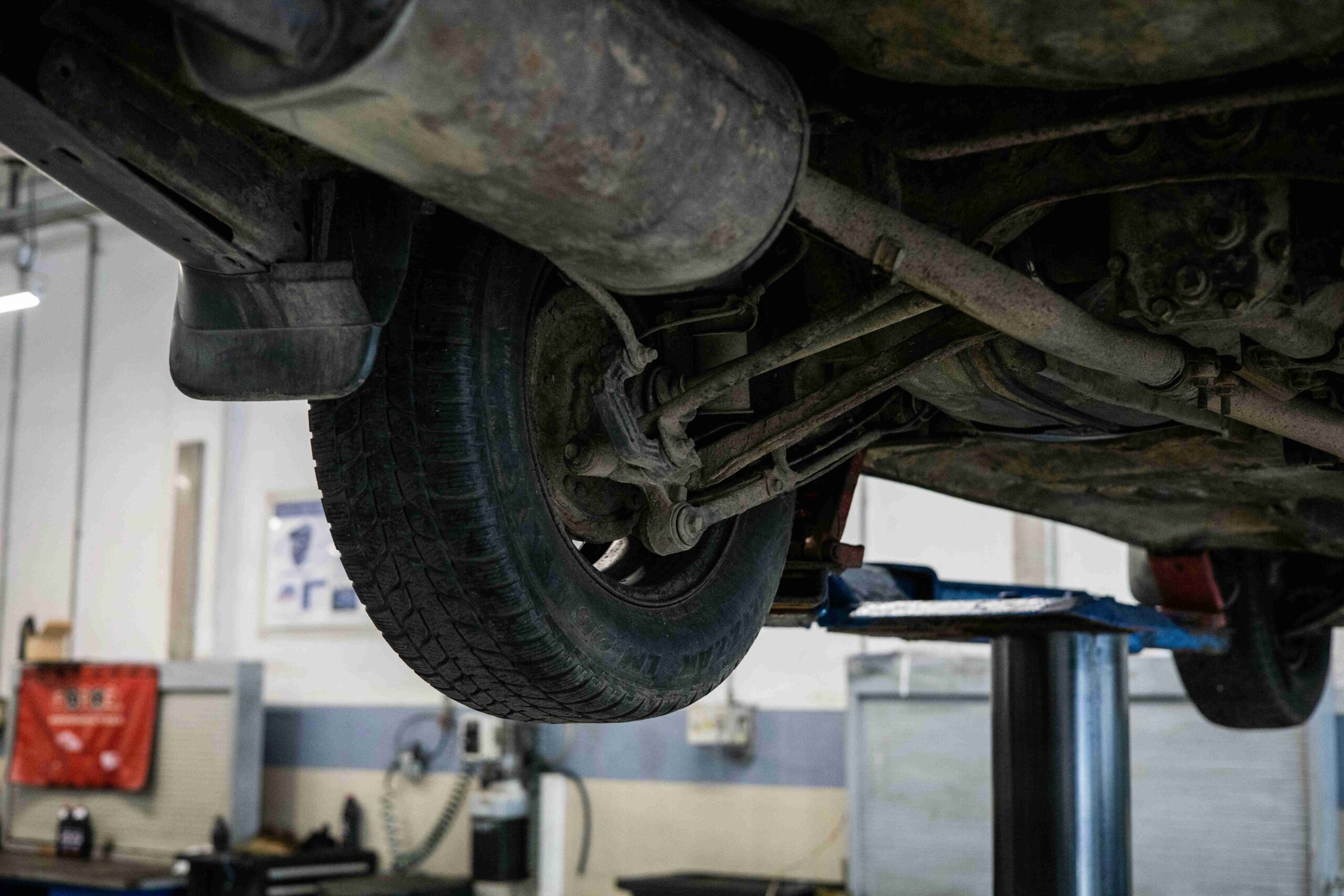
When it comes to maintaining your vehicle, the suspension system often takes a back seat”, “until it starts to show signs of wear. A reliable suspension not only improves handling and ride comfort but also ensures safety on the road. Whether you’re a seasoned mechanic or a DIY enthusiast, knowing how to choose the right suspension parts can save you time, money, and frustration. This guide walks you through the essential steps”, “identifying the correct part, checking compatibility, evaluating quality, and comparing prices”, “so you can make an informed decision.
1. Understanding Your Vehicle’s Suspension System
The first step in sourcing replacement parts is to understand what you’re working with. Most modern cars use one of three main suspension types: MacPherson strut, double wishbone, or multi-link. Knowing the type will help you narrow down the specific components you need”, “shocks, struts, bushings, or control arms.
1.1 Key Components to Know
- Shocks and Struts: These dampen the motion of the suspension, reducing bounce.
- Control Arms: Connect the steering knuckle to the vehicle’s frame.
- Bushings: Provide cushioning and reduce noise between metal parts.
- Sway Bars: Minimize body roll during cornering.
- Ball Joints: Allow the suspension to pivot.
Having a clear picture of your suspension’s architecture will guide every decision that follows.
2. Identify the Correct Part for Your Model
Once you know the suspension type, the next step is to pinpoint the exact part that needs replacement. Car parts often differ even within the same model year”, “engine displacement, trim level, and optional packages can all influence the part number.
2.1 Use OEM Part Numbers
Original Equipment Manufacturer (OEM) part numbers are the most reliable reference. They’re usually stamped on the part itself or listed in your vehicle’s service manual. If you’re uncertain, consult the Vehicle Information page on Car Parts Picker, which offers a quick lookup tool based on VIN.
2.2 Consider Aftermarket Alternatives
Aftermarket parts can offer performance upgrades or cost savings. However, they vary widely in quality. Use Car Parts Picker’s Suspension Parts Catalogue to compare OEM and aftermarket options side‑by‑side.
3. Check Compatibility and Fitment
Even the most accurate part number can lead to a wrong fit if the part’s specifications don’t match your vehicle’s exact configuration. Here’s how to avoid compatibility pitfalls.
3.1 Match the Vehicle Year, Make, and Model
Enter your car’s year, make, and model into Car Parts Picker’s Car Models database to confirm that the part is listed as compatible. Ex: 2015-2021 Subaru Wrx Parts
3.2 Verify Trim and Options
Trim levels such as “Sport” or “Luxury” often have different suspension setups. The Suspension Compatibility Check feature ensures you’re looking at the right variant.
4. Evaluate Quality and Material
Suspension components endure constant stress. The longevity of your vehicle’s handling depends on the material and build quality of these parts.
4.1 Stainless Steel vs. Aluminum
Shocks and struts typically come in stainless steel (higher durability) or aluminum (lighter weight). If you’re using your car for off‑road or performance driving, stainless steel is often the better choice.
4.2 Factory vs. Performance Parts
Factory parts are engineered for longevity and comfort, while performance parts may offer enhanced handling but could wear faster. Review the product reviews on Car Parts Picker and read the Customer Reviews section for real‑world feedback.
5. Automate the Price Hunt with Automotive Part Price Comparison
Finding the best price is just as crucial as finding the right part. Car Parts Picker offers a built‑in automotive part price comparison tool that pulls data from multiple distributors in real time.
5.1 How the Comparison Works
Enter the part number or name, and the tool will list:
- Price from each supplier
- Estimated delivery time
- Available warranties
- Customer ratings for each seller
5.2 Tips for Getting the Best Deal
- Check for bulk discounts if you need multiple parts.
- Look for seasonal promotions or clearance sales.
- Read the seller’s return policy and warranty details.
By using Car Parts Picker’s price comparison, you can save up to 30% on many standard suspension parts.
6. Make the Purchase With Confidence
Once you’ve selected the part and verified compatibility, it’s time to purchase. Follow these steps to ensure a smooth transaction.
6.1 Verify Stock Levels
Use the Stock Check feature to confirm that the part is in inventory. This helps avoid delays due to backorders.
6.2 Choose a Reputable Seller
Even within Car Parts Picker’s network, some sellers consistently receive higher ratings. Opt for sellers with at least a 4.5-star rating and ample customer feedback.
6.3 Review the Warranty and Return Policy
Warranties can range from 12 to 36 months. A comprehensive return policy gives you peace of mind if the part turns out to be defective.
7. Installation Tips and Best Practices
After the part arrives, proper installation is key to maintaining performance and safety. If you’re comfortable with mechanical work, you can install most suspension components yourself. Otherwise, a qualified technician can help.
7.1 Gather the Right Tools
Common tools include:
- Torque wrench
- Jack and jack stands
- Socket set (including metric sizes)
- Allen keys (for bushings and bolts)
- Lubricant (anti‑seize or grease)
7.2 Follow Manufacturer Instructions
Every part comes with an installation manual. Adhere strictly to torque specifications and tightening sequences to avoid damaging the component.
7.3 Check for Proper Alignment
After installing new shocks or struts, it’s wise to have an alignment check. Improper alignment can cause uneven tire wear and reduced handling.
8. Maintenance and Troubleshooting
Even high‑quality suspension parts require routine inspection. Here’s a quick maintenance checklist.
8.1 Inspect for Leaks and Wear
Check shocks for oil leakage and verify that bushings are free of cracks.
8.2 Listen for Noise
Unusual clunking or squeaking during driving can indicate worn bushings or ball joints.
8.3 Replace Parts Promptly
Delaying replacement can lead to more extensive damage to the suspension or chassis.
By staying vigilant, you’ll extend the life of your suspension system and keep your car safe on the road.
Finding the right suspension parts for your car involves more than a quick search. It requires a clear understanding of your vehicle’s architecture, precise identification of parts, rigorous compatibility checks, and a diligent price comparison. Car Parts Picker streamlines this process by offering a vast catalog, real‑time pricing data, and customer reviews”, “all designed to empower you to make confident, cost‑effective decisions.
Ready to upgrade or replace your suspension? Browse our Suspension Parts Catalogue today and use our automotive part price comparison tool to get the best deal. If you need personalized assistance, feel free to contact our support team“, “we’re here to help. Or take a look at our FAQ.